
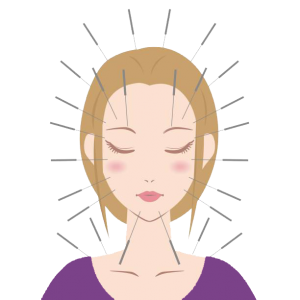


Sleep should be a time of restoration, but for millions, the night turns into a waking nightmare of racing thoughts and fitful sleep. Hormonal imbalances rob them of their much needed rest. The sleep inducing hormone melatonin may be deficient while stress hormones like cortisol refuse to decline at night. Acupuncture for Sleep Quality is one of the few treatments that actually addresses the underlying hormonal causes of restless sleep. Some studies have pointed to the fact that acupuncture can improve sleep quality and regulate important endocrine disruptors like melatonin and cortisol. Here are 8 reasons how acupuncture can help in regulating sleep hormones.
It Boosts Your Bodies’ Production of Melatonin
Acupuncture for Sleep Quality raises levels of the sleep-inducing hormone melatonin. A 2025 analysis of clinical trials found that acupuncture had significantly more beneficial effect than control groups on sleep quality. Several trials mentioned that acupuncture was associated with increased levels of melatonin. When your body produces healthy levels of melatonin you naturally feel sleepy at bedtime and experience deeper overall rest.
It Lowers Cortisol Levels at Night
Cortisol is a stress hormone that should be highest in the morning to help you wake up and lowest at night to let you fall asleep. When you suffer from insomnia your cortisol levels plateau at night instead of dropping to signal that it’s time to sleep. Acupuncture can help reset this abnormal stress response. A 2025 review found that patients who took Acupuncture for Sleep Quality treatment had lower salivary cortisol levels than control groups. By lowering high cortisol levels at night acupuncture reduces the amount of time it takes to fall asleep.
It Regulates the Hypothalamic Pituitary Adrenal Axis
The hypothalamic pituitary adrenal axis regulates your body’s stress response system. When this system is dysregulated it can impact your sleep cycle. Acupuncture for Sleep Quality downregulates corticotropin releasing hormone, reduces adreno-cortico-tropic hormone and normalizes cortisol output which results in a healthier stress response.
Acupuncture doesn’t decrease cortisol output alone. It normalizes dysregulated HPA activity too. The reduction of overactive HPA axis output acts like a sedative. It helps to calm the body and encourage sleep.
It Enhances GABA, the Brain’s Inhibitory Neurotransmitter
Gamma Aminobutyric Acid (GABA) is the brain’s principle inhibitory neurotransmitter. Acupuncture for Sleep Quality increases inhibition within the central nervous system by increasing GABA levels. Researchers associate insomnia with decreased activity of the GABA system and an inability to self-regulate. Acupuncture increases central GABA levels and upregulates GABA receptors. This has the potential to counteract excessive neuronal stimulation. GABA increases sleep onset and duration by reducing overactive neuronal firing.
It Lowers Excitatory Neurotransmitters
Acupuncture for Sleep Quality reduces excitatory neurotransmission by lowering glutamate, norepinephrine, and dopamine in the system. It increases inhibitory tone by promoting GABA production and receptor activity. Acupuncture regulates the delicate balance between excitation and inhibition necessary for maintaining stable sleep cycles throughout the night. By reducing overstimulation caused by excitatory neurotransmitters, acupuncture reduces the time it takes to fall asleep and encourages deeper overall sleep.
It Balances Serotonin, the Precursor to Melatonin
Serotonin is both a neurotransmitter and precursor to the sleep-inducing hormone melatonin. Acupuncture for Sleep Quality can increase serotonin production by regulating serotonin synthesis, release and receptor activity. Serotonin plays an important role in sleep regulation. It is also involved in the generation of rapid eye movement (REM) sleep. Acupuncture’s effect on regulating serotonin is said to be bidirectional. It helps reduce excess serotonin and can also stimulate production in cases there is deficiency.
It Calm the Sympathetic Nervous System
Sympathetic nervous system activation is a major contributor to sleep disorders. It keeps your heart rate up and diverts blood away from non-essential systems like digestion to keep you alert. Acupuncture for Sleep Quality reduces sympathetic tone and encourages sleep. It does by increasing parasympathetic tone and reducing heart rate. Heart rate variability studies show that acupuncture makes physiological changes to the autonomic nervous system to induce relaxation and encourage sleep.
It Promotes Overall Neurochemical Homeostasis
The most profound effects of acupuncture are seen when it comes to encouraging overall neurochemical homeostasis. It decreases stress and induces relaxation by regulating HPA axis activity and lowering sympathetic activation. Acupuncture for Sleep Quality also promotes production of the inhibitory neurotransmitter GABA and reduces the levels of excitatory glutamate. It encourages healthy serotonin levels which are important for healthy melatonin production and regulating mood. Finally, acupuncture reduces neuroinflammation and increases vagal tone to reduce the body’s stress response. Acupuncture treats the root causes of sleep loss by affecting multiple pathways related to sleep loss at once. It does not just mask the symptoms.
Why Acupuncture Offers a Smarter Alternative to Sleep Medications
When you take a sleeping pill, it artificially induces sleep, but it doesn’t address the underlying causes of your insomnia or dysregulated sleep patterns. Acupuncture helps you fall asleep faster and stay asleep longer by rebalancing your entire neuroendocrine system. It reduces abnormal cortisol levels at night while encouraging healthy melatonin production to regulate your natural sleep-wake cycle. Acupuncture for Sleep Quality reduces excitatory neurotransmitters like glutamate and increases inhibitory ones like GABA to reduce nighttime stimulation. It also helps reduce stress and promotes relaxation by acting on the autonomic nervous system and reducing HPA axis activity. If you’re frustrated with traditional sleep medications, talk to an acupuncture practitioner about how it can help you fall asleep and stay asleep through the night.