

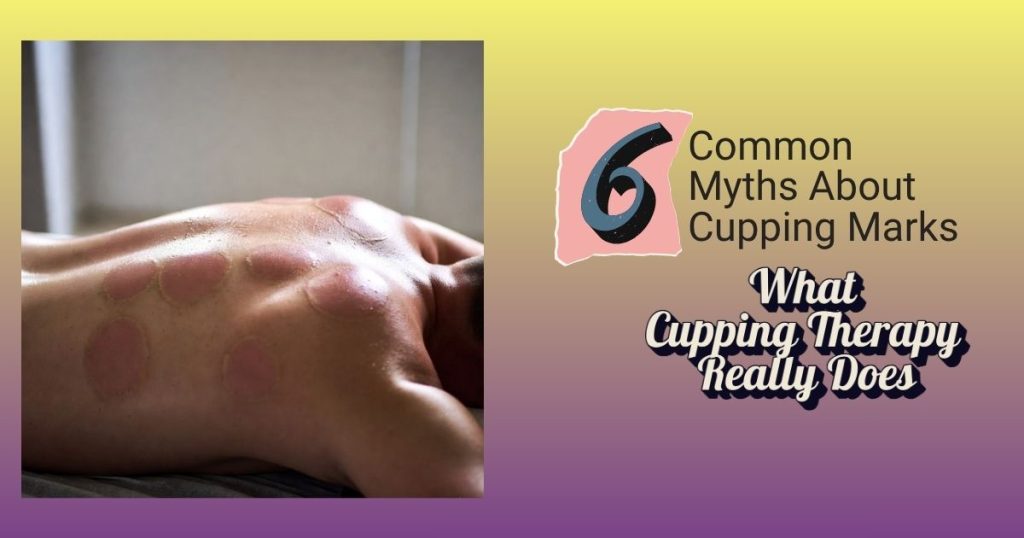
You would have noticed those round, purple or red marks that remain after a cupping treatment session. You definitely have questions about them. You are thinking if they hurt? You are also thinking if they pose a threat? Does that mean something has gone wrong?
False information spreads fast about the marks a cupping therapy leaves behind. These Cupping Marks, as they are famously called, can appear worse for your eyes but the truth is different which will surprise you. In this blog we dispel six of the most widespread misconceptions regarding cupping marks.
Myth #1: Dark Cupping Marks Mean You Were Injured
This is the most frequent concern any first-time patients to Cupping therapy have. But surprisingly, the truth is just the opposite.
Cupping therapy draws toxins, cellular debris and stagnated blood from deep tissues up to the skin’s surface using suction. These dark stains are not bruises from trauma or impact-induced blood vessel breakage. They actually indicate the removal of old metabolic waste so your body can properly eliminate it.
Here is a more clearer differentiation between a bruise and a cupping mark.
- Bruise from injury: Caused by blunt force; typically tender to touch.
- Cupping mark: Caused by suction; usually painless or mildly sore.
The darker the mark, the more stagnation was present in that area. It has nothing to do with the intensity of the treatment.
Myth #2: Cupping Marks Are Always Painful
Many believe that the marks must be painful just because they appear to be. Actually speaking, the majority of patients claim that cupping markings cause no pain at all.
You might feel a dull ache during the actual cupping therapy session as the suction engages. However, the marks seldom ever hurt or cause pain after the cups are taken off. For a day or two following the procedure, some people even report experiencing a nice, warm feeling in the area.
Myth #3: Lighter Marks Mean a Better Treatment
This myth need not always be true. Your blood circulation, your level of hydration, and the degree of stagnation, are some of the factors that affect the color and intensity of cupping marks.
A lower score does not indicate that the therapy was unsuccessful. It just indicates that there was less build-up to the release. Your markings may gradually lighten over several sessions, which is actually a sign that your tissues are becoming less clogged and healthier.
Myth #4: You Can’t Shower or Exercise After Cupping
This is a pure myth and has no truth in it at all. It only creates needless anxiety. After cupping therapy, you can definitely take a shower, but you should use lukewarm water and refrain from washing the designated regions for a whole day.
Light exercises are okay but pay attention to your body. Stretching and light walking are better options, but vigorous exercise may aggravate the treated regions. Giving your body time to digest the release of toxins is more important than subjecting the body to the stress of strenuous exercises. The markings are actually an unimportant issue when compared to the goodness it is going to bring.
Myth #5: Marks Last for Weeks Like a Bad Bruise
Generally speaking, cupping marks go far more quickly than a conventional bruise. Cupping marks normally disappear in three to seven days, but traumatic bruises can take two to three weeks.
Your lymphatic system and the rate at which your body eliminates metabolic waste will determine how long it takes for the marks to disappear. If you stay hydrated and move slowly, the chances that the marks disappear quickly is more.
Myth #6: No Marks Means No Benefit
This is completely false. There are many cupping therapy techniques and not all of them leave visible marks.
- Flash cupping: In this type of cupping therapy, cups are applied and removed quickly. This action stimulates the blood flow. Also this does not leave any cupping marks.
Massage cupping: In this type of cupping therapy, cups are moved across the skin with oil. It creates mild redness only and not the typical dark circles. - Facial cupping: In this type of cupping therapy, very small cups are used. They do not leave any visible marks at all.
If your practitioner employs the above cupping techniques, it is possible that there are no outward signs or cupping marks at all after the session is completed.
The Bottom Line about Cupping Marks
Bruises are not the same as cupping marks. They do not indicate any danger. They are merely the outward manifestation of your body’s release from profound stasis. You will understand exactly what those purple circles are when you see them the next time and not fall for any myths that circulate on them.